Hello dear readers and followers, I now write for “Coffee House Writers” magazine on a fortnightly basis, and my poem “I Wish, I Was Green”, is in this week’s edition of Coffee House Writers Magazine. … please click on the link below to read my poem, at Coffee House Writers. >> https://coffeehousewriters.com/i-wish-i-was-green/
On Weekly Prompts this weekend, the challenge word Glimmer. Please go over and visit their fabulous site by clicking on >> Here And is a poem I wrote back in January, that I thought to be suitable piece for the prompt …
Hello dear readers, I had a difficult time writing this poem, as my thoughts were jumbled and confused, but eventually after toiling away, I think the piece gradually developed into something resembling my initial dreamy thoughts … And then I could not make up my mind on the title, between “A Shining” or “One More Spoonful” ..
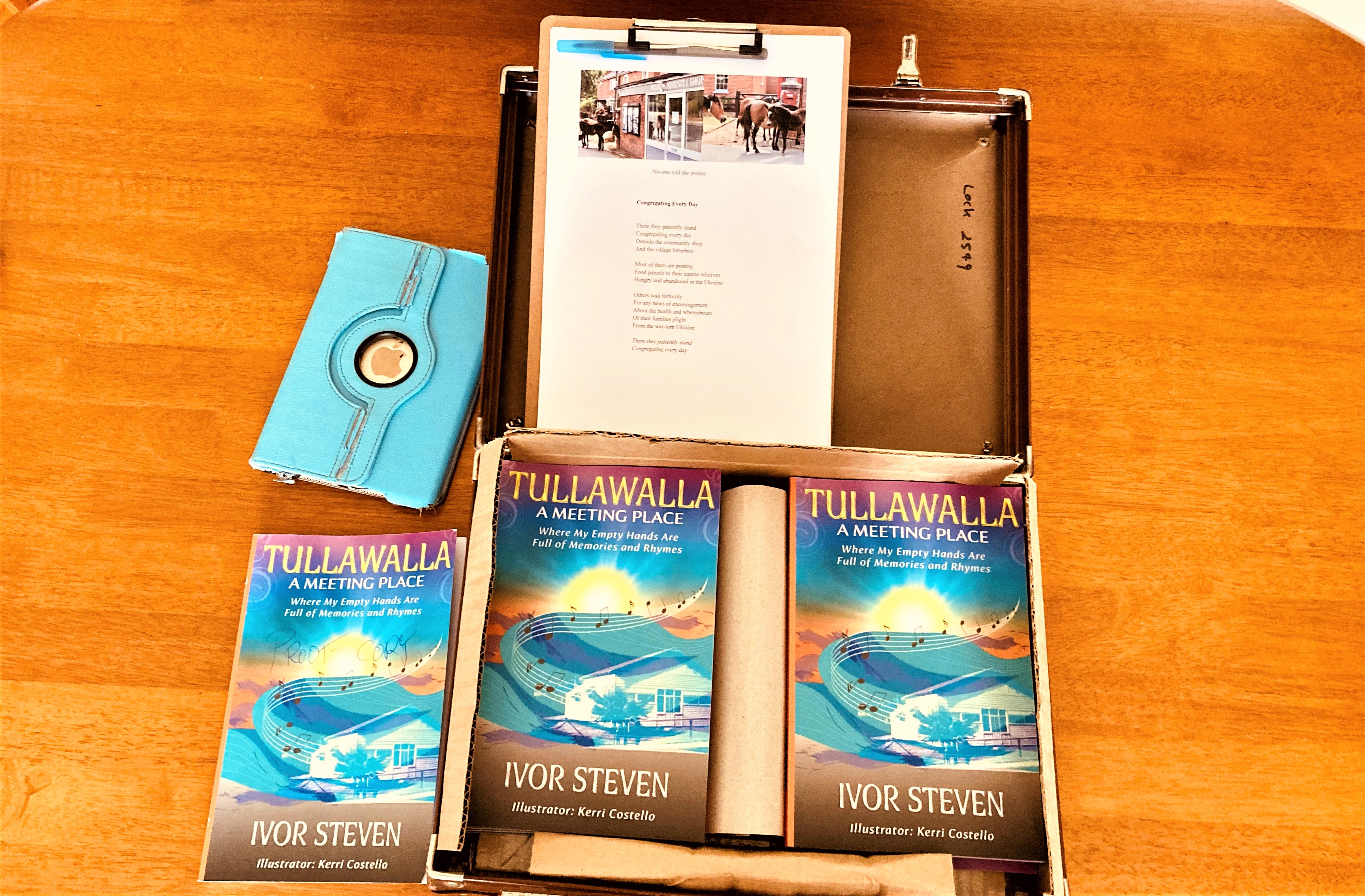
My old school-case from sixty-years ago, full of “Tullawalla Books”
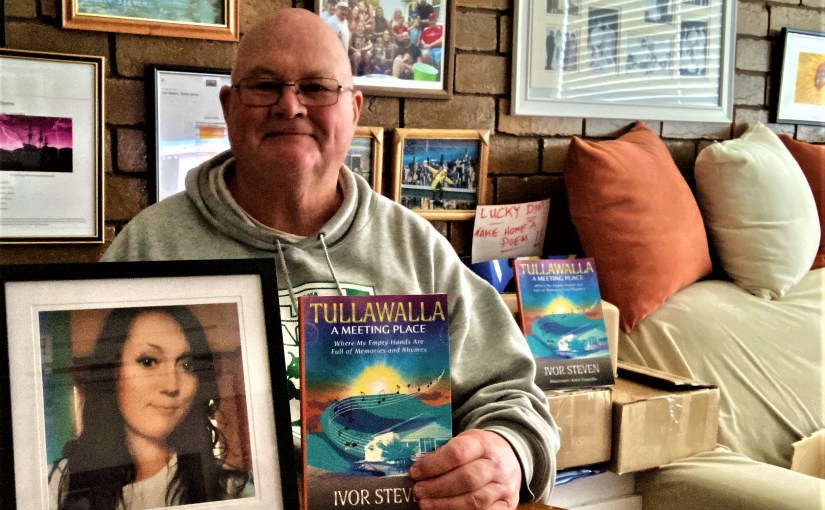
My house has been invaded by “Tullawalla Books” … come over and join the party, and lets celebrate … my long awaited SELF-PUBLISHED new edition is NOW available … contact me via my web-email >> ivorrs20@gmail.com The book is only $20.00 AU plus postage & handling. If you are interested in purchasing a book, send me an email, I’ll send a PayPal Invoice out to you.
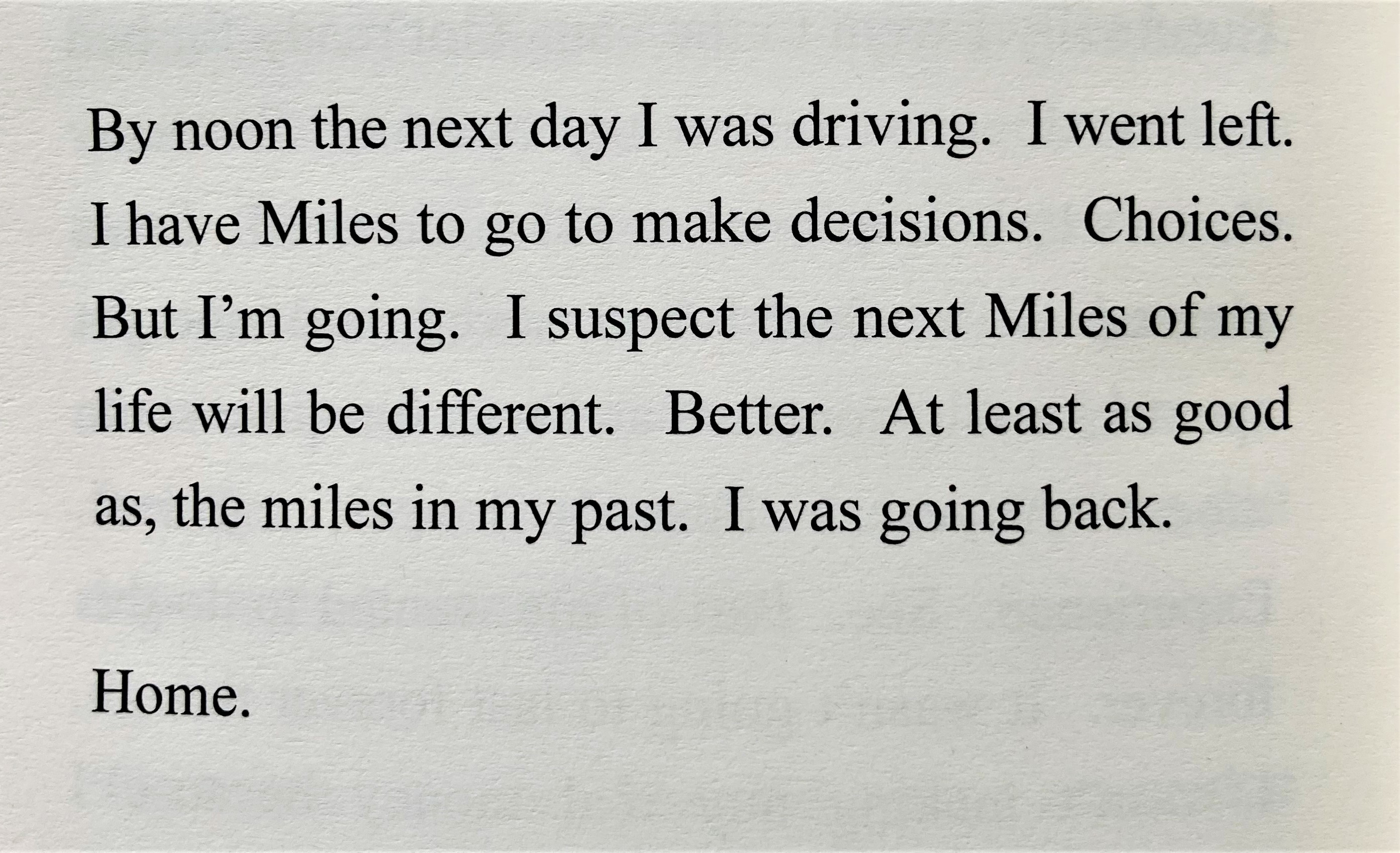
At my ‘Dome Poetry Group’ (here in Geelong) the prompt is to write a poem (any form) inspired by a phrase on the last page of a book. (Reveal the source.) I chose “Another Yellow Door” by C Flaherty Brown, and below is the last phrase in her book, followed by my ‘Fictional Poem’, Miles From Home.
At Weekly, the Wednesday Challenge is the word: TREES. Please go over and visit their fabulous by clicking on >> Here. My poem is not directly about trees, but I believe that in one way or another, life here on earth is connected to our “Trees” Featured Photo: by Derrick Knight, and a sincere thank you to Derrick for permitting me to use his fabulous image here in collaboration with my poem. This is now our “41st” collaborative article, and our joint book “Perceptions” is now in the hands of my editor/publisher (Judy, from Jaymah Press), and hopefully, the book will be in print before Christmas. >> https://derrickjknight.com/
Hello dear readers and followers, I now write for “Coffee House Writers” magazine on a fortnightly basis, and my poem “Hearing Is Out of Sight”, is in this week’s edition of Coffee House Writers Magazine. … please click on the link below and visit my poem, at Coffee House Writers. >> https://coffeehousewriters.com/hearing-is-out-of-sight/
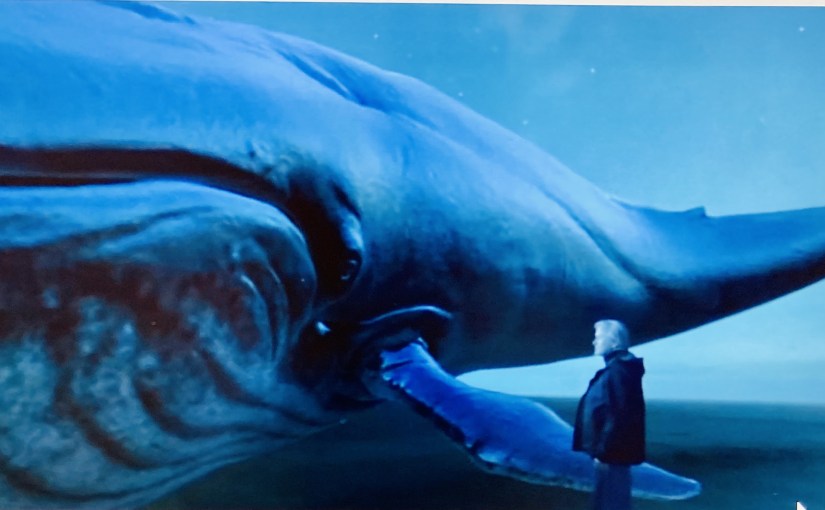
In those ignorant olden days Who would have wanted to be a whale? Who threw that harpoon into my back?
Whales Cry Too (a Mariannet*)
I
Hear them cry
…..When horrific harpoons pierce their hides
…..My heart bleeds from inside
……….Seeing whales so cruelly killed
The name “Mariannet” was recently ‘coined’ by Paul (of Paul’s Poetry Playground) >> [ Invented Poetry Forms – The Mariannet – Paul’s Poetry Playground ] for the previously unnamed poetic form that the poet Marianne Moore created to write her classic poem “The Fish” first published in 1918. The form was invented over a hundred years ago and is relatively unknown to most poets. The mariannet is an isosyllabic rhyming poem, consisting of one or more five-line stanzas (quintains) with one syllable in the first line, three in the second, nine in the third, six in the fourth, and eight in the fifth and final line. The first two lines rhyme with each other, and so does the third and fourth, but the fifth is nonrhyming and does not rhyme with any other lines. Thus its rhyme scheme can be expressed as aabbx for each individual quintain (with x representing the nonrhyming line). In Moore’s original formatting of the form, the third and fourth lines were indented five spaces and the fifth ten spaces. I have attached Marianne Moore’s poem “The Fish”, below Lisa Hannigan’s music/video.
“The Fish” – by Marianne Moore
wade through black jade. Of the crow-blue mussel-shells, one keeps adjusting the ash-heaps; opening and shutting itself like
an injured fan. The barnacles which encrust the side of the wave, cannot hide there for the submerged shafts of the
sun, split like spun glass, move themselves with spotlight swiftness into the crevices— in and out, illuminating
the turquoise sea of bodies. The water drives a wedge of iron through the iron edge of the cliff; whereupon the stars,
pink rice-grains, ink- bespattered jelly fish, crabs like green lilies, and submarine toadstools, slide each on the other.
All external marks of abuse are present on this defiant edifice— all the physical features of
ac- cident—lack of cornice, dynamite grooves, burns, and hatchet strokes, these things stand out on it; the chasm-side is
dead. Repeated evidence has proved that it can live on what can not revive its youth. The sea grows old in it.










 Ivor.Plumber/Poet